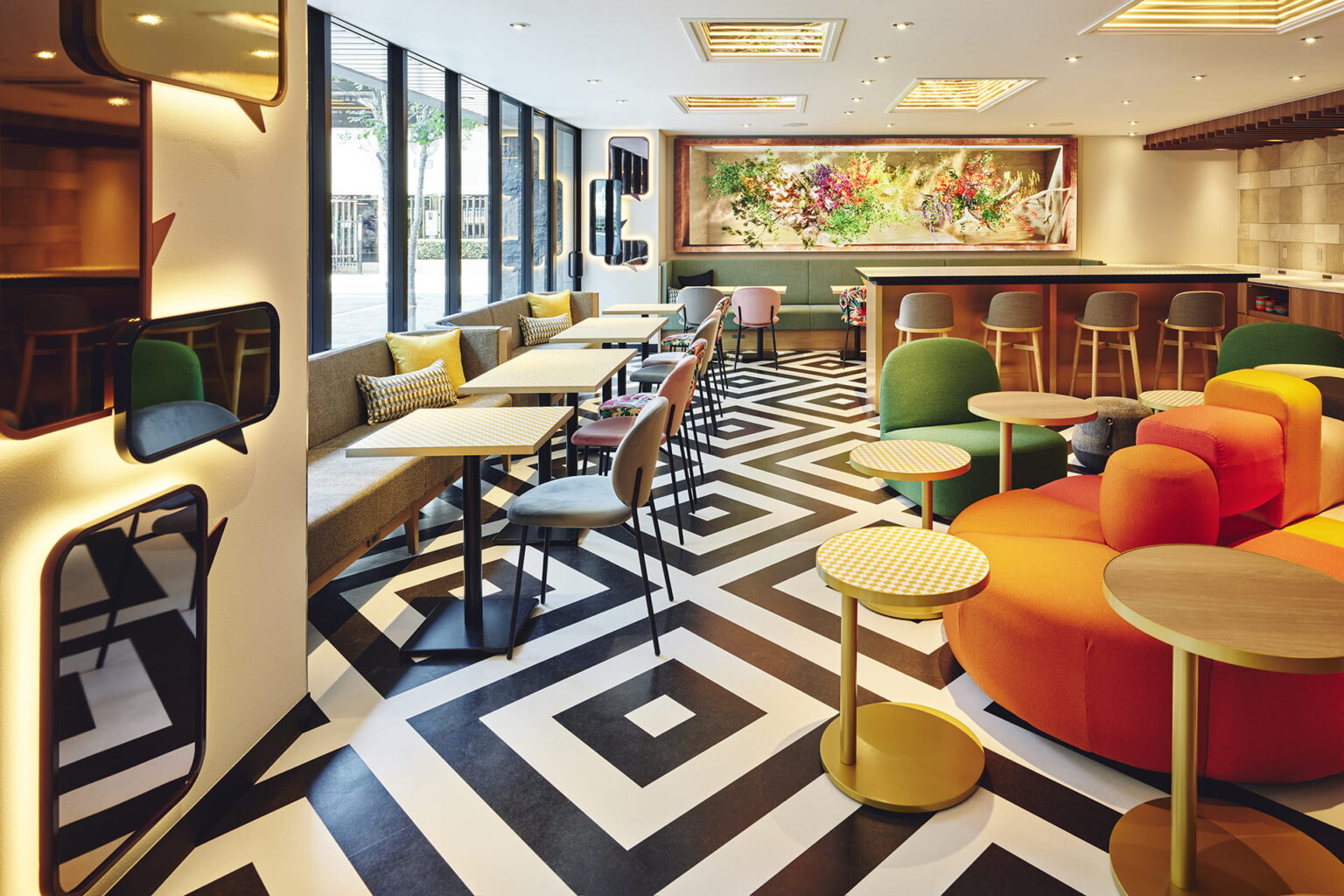
The best hotel deals usually start with a building nobody wants. The three hotels at the centre of this one were completed in central Osaka in 2018 and run by WBF Hotels & Resorts. In April 2020, as the pandemic emptied Japan of visitors, WBF entered court-supervised restructuring. Two of the three properties closed and stayed closed. In 2024, CapitaLand Ascott Trust sold the portfolio to AXE Management Partners, a pan-Asian alternative investment firm, for JPY 10.7 billion, about USD 71 million at the time. AXE was buying 518 rooms, most of them dark.
This month the other half of the trade became public. AXE sold the portfolio to Creal, a Tokyo-listed real estate investment manager, for about JPY 21 billion, roughly USD 132.8 million, according to sources familiar with the transaction cited by Mingtiandi, which first reported the figures. Creal completed the purchase on 31 July 2026. Its filings disclosed neither the seller nor the price, and AXE did not respond to a request for comment before publication. In yen, the sale price was close to double what AXE paid about two years earlier.
The arithmetic is worth doing slowly. JPY 10.7 billion across 518 rooms is about JPY 20.7 million per room. JPY 21 billion across the same rooms is about JPY 40.5 million per room, or around USD 256,000 at current exchange rates. Because the yen weakened over the period, the gain looks smaller in dollars, moving from about USD 71 million to about USD 133 million. AXE also spent money refurbishing the hotels and redesigning their public spaces, and that figure has not been disclosed. So nearly double is a gross number. The return after capital spending and costs is lower. It is still an unusually fast result for property.
The Editor's Note
If you are reading this and the pattern fits your business, start the conversation before the conversation starts itself. editor@unpublished.my.
The value came from three places, and only one of them was the building. The first was reopening. Two of the three hotels were producing no income when AXE bought them. A closed hotel is valued on what it might earn, discounted for the risk that it never does. An open, trading hotel is valued on what it does earn. Turning the lights back on moved the portfolio from the first category to the second, and that change alone is worth a large share of the gain.
The second was the brand. AXE partnered UK-based IHG Hotels & Resorts to bring Garner, IHG's midscale brand built for converting existing hotels, to Asia. It was Garner's first deal outside North America. The properties were refurbished, with redesigned public areas, and reopened in the first half of 2025. A global flag brings a booking engine, a loyalty programme and a name foreign travellers already recognise. For a buyer like Creal, it also brings an operating standard that is easier to underwrite. The sale closed about a year and a half after reopening, which is roughly how long a buyer needs to see a stabilised trading record.
The third was the market. Japan recorded 177.87 million foreign guest nights in 2025, a new high and 8.2 percent more than the year before, according to HotelBank's analysis of government data. Foreign guests now account for 27.2 percent of all guest nights, up from 19.4 percent in 2019. Osaka posted the highest hotel occupancy in the country at 78.8 percent, with business hotels at 83 percent. There is a detail in the same data that the deal headlines skip: Osaka's foreign guest nights fell 4.7 percent in 2025, while domestic guest nights rose 4.2 percent. The buyer is paying for high occupancy in a city that already works, not for a tourism boom that is still accelerating.
Institutional money is still arriving. Earlier this year a Nomura-managed fund bought the Centara Grand Hotel Osaka for JPY 38.5 billion, about USD 243.5 million, and Japan Hotel REIT acquired Candeo Hotels Osaka Namba for JPY 14.3 billion, about USD 90.5 million. AXE itself was founded by Gary Kwok, a former investment banker who held senior roles at Credit Suisse and Bank of America Merrill Lynch, including head of Asia-Pacific hospitality, lodging and gaming real estate. According to AXE, Kwok has led transactions worth more than USD 50 billion. The firm is reportedly planning further hospitality and commercial property investments in Japan and other Asian markets.
The buyer matters as much as the seller. Creal is a Tokyo-listed real estate investment manager that built much of its business on property investment products for Japanese individual investors. Buyers like this are not looking for a turnaround. They want hotels that are already trading, with a recognisable brand and a clean operating record, because those are the assets that can be packaged into steady income products. That is why the price doubled. AXE took the risk of buying dark buildings and reopening them. Creal paid for the absence of that risk. In property, the investor who removes uncertainty is usually the one who gets paid most for it.
For the Malaysian operator, three implications follow.
One. The money is in the closed hotel, not the open one. Malaysia still has hotels that never fully recovered from the pandemic, independents that lost their operator, and properties that are open but tired. AXE's trade shows that the largest gain comes from moving an asset from not trading to trading. Malaysian owners and investors looking for value should be looking where AXE looked: at the building with the problem, not the building with the queue.
Two. Conversion brands are a financing tool. Garner exists so that owners can rebrand an existing hotel without rebuilding it. For a Malaysian independent hotel in Kuala Lumpur, Penang, Johor Bahru or Kota Kinabalu, joining a global midscale conversion brand is not only a marketing decision. It changes how a lender or a future buyer values the property, because it adds distribution, a loyalty base and an operating standard. With Visit Malaysia 2026 driving international arrivals, the owner who flags up now is buying a better exit later.
Three. If you are arriving in Osaka now, you are the Creal, not the AXE. Malaysian funds, family offices and real estate groups have spent years looking at Japanese hotels as a yield play backed by a weak yen. The recovery phase, where closed hotels could be bought cheaply and reopened, has largely been harvested. Buyers today are paying stabilised prices for stabilised income. That can still be a sound investment, but it is a different one. Underwrite it for steady yield, and test it against the softer foreign guest numbers that Osaka has already started to show.
The headline says a hotel portfolio doubled in value. The business underneath says the value was created by an operator who bought something broken, fixed it, put a recognisable name on the door and sold it to someone who wanted a finished product. That skill is portable. The yen discount is not.