Consumer wearables is one of those categories the trade press stopped writing about because it looked settled. Apple Watch dominates the premium end. Fitbit (now Google) holds the mid-market. Garmin owns the enthusiast fitness segment. Xiaomi and its various regional imitators handle the entry level. The addressable market has been divided along price tier and feature set for several years. If you were a Malaysian retail buyer, distributor, or brand owner, the strategic conversation about wearables was mostly a conversation about which existing brand to stock, at what margin, and in what quantity. The category itself was not where the strategic movement was happening. That has just changed.
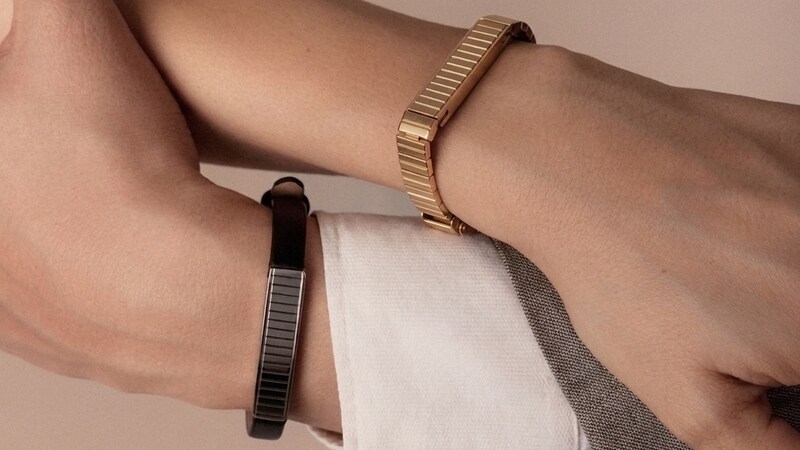
Lumysi launched on Kickstarter as what the trend research community is calling a style-first health tracker. The product has no screen. It is engineered to look like a piece of jewelry, sitting on the wrist without disrupting the wearer's outfit or personal style. The technical specifications underneath the aesthetic are competitive with mainstream wearables. Thirty-plus health metrics captured. Seven days of battery life when worn continuously. AI insights delivered through the accompanying app rather than through a screen on the wrist. And, most consequentially for the category economics, no subscription. The customer pays once for the hardware and receives ongoing app functionality without a recurring fee.
Each of those three product decisions (no screen, no subscription, jewelry form factor) is a strategic bet against a specific assumption the current wearables incumbents have priced into their business models. Apple Watch, Fitbit, and Samsung all assume the wearable needs a screen because the screen is the interaction surface and, secondarily, the visible technology signal that justifies the premium price. Lumysi bets the screen is a liability. It clutters the aesthetic. It signals technology at a moment when consumers increasingly want technology that recedes into the background of everyday life. The subscription model is the second incumbent assumption Lumysi rejects. Apple, Fitbit, Whoop, and Oura have all moved toward recurring revenue models where the hardware is the entry point and the software subscription is the lifetime value. Lumysi bets a segment of consumers will pay a premium for a device that does not extract ongoing rent. That bet is the same bet DJVU cameras, Kindle devices, and various premium audio brands have made successfully against subscription-heavy incumbents.
The jewelry form factor is the third bet, and it is the one the Malaysian retailer should be reading most carefully. The category traditionally called wearables has been positioned in the electronics section of retail. Apple Watches sit at Apple stores and consumer electronics distributors. Fitbits sit at sports retailers and electronics distributors. The Lumysi form factor breaks that placement logic. A jewelry-like health tracker belongs in the jewelry section, or the fashion accessories section, or the premium lifestyle boutique. That placement shift changes which retailers can credibly stock the category and which retail buyers hold budget authority for it. Malaysian premium jewelry retailers (Habib, Poh Kong, Wah Chan) have historically not stocked electronics. They would credibly stock a jewelry-like health tracker. The strategic implication is that a new distribution channel has opened for a category most Malaysian premium retailers have not previously participated in.
The Editor's Note
If you are reading this and the pattern fits your business, start the conversation before the conversation starts itself. editor@unpublished.my.
The trend research community has been picking up the same signal from adjacent products. Screenless health trackers. Jewelry-like fitness wearables. Health-tracking rings from Oura, Ultrahuman, and RingConn. The Fitbit Air (also screenless). Health-monitoring mirrors from NuraLogix. LumiMind's sleep-focused brainwave-monitoring personal devices. Each of these products is expressing a variation of the same thesis. The wearable category is bifurcating between visible technology products that signal features to observers and invisible-technology products that recede into everyday life. The bifurcation has been visible for about eighteen months but has not yet been priced into most Malaysian retail buying decisions.
For the Malaysian and broader Southeast Asian retail operator, three implications run from this story.
One. The premium jewelry retailer should be evaluating category expansion into style-first health devices immediately. Habib, Poh Kong, and Wah Chan already have the distribution infrastructure, the customer trust, and the price-point positioning to credibly sell RMB 1,000 to USD 500 jewelry-form-factor health devices. The retailer that adds this category first, before the electronics retailers realise it belongs in the jewelry section, will establish the reference distribution and set the customer expectations for the ASEAN market. The retailer that waits will inherit the terms set by whoever moves first.
Two. The subscription-free positioning is the operating template for premium-value alternatives across every consumer electronics category. Consumers are increasingly resistant to subscription models when the alternative is a one-time purchase with equivalent functionality. Malaysian brands considering how to position against dominant subscription-based competitors (streaming, software, cloud storage, wellness apps) should be reading the Lumysi playbook as a demonstration that the premium one-time-purchase alternative can command higher margin than the subscription equivalent when positioned correctly against the right customer segment.
Three. The Malaysian jewelry manufacturing capability is currently underused for adjacent-category expansion. The country has significant capacity in premium jewelry manufacturing, both for domestic brands and for export contracts to established international houses. That capability could support the manufacturing of jewelry-form-factor health devices if the local jewelry manufacturers partner with Malaysian electronics engineers or with regional electronics contract manufacturers. The combination (premium jewelry manufacturing plus health device electronics) is a category most Malaysian industrial groups are not currently pursuing but that would be structurally competitive against Shenzhen-based competitors on premium positioning.
The headline is a Kickstarter launch for a bracelet-shaped fitness tracker. The story is that the wearables category most retailers stopped strategically thinking about has quietly split into two segments, and one of the new segments belongs in the jewelry aisle rather than the electronics aisle. The Malaysian retailer who reads the trend research summary is reading the wrong version. The right version asks which category positioning the retailer currently occupies, which the emerging style-first health device segment sits in, and which retailer will win the ASEAN reference distribution for the segment.