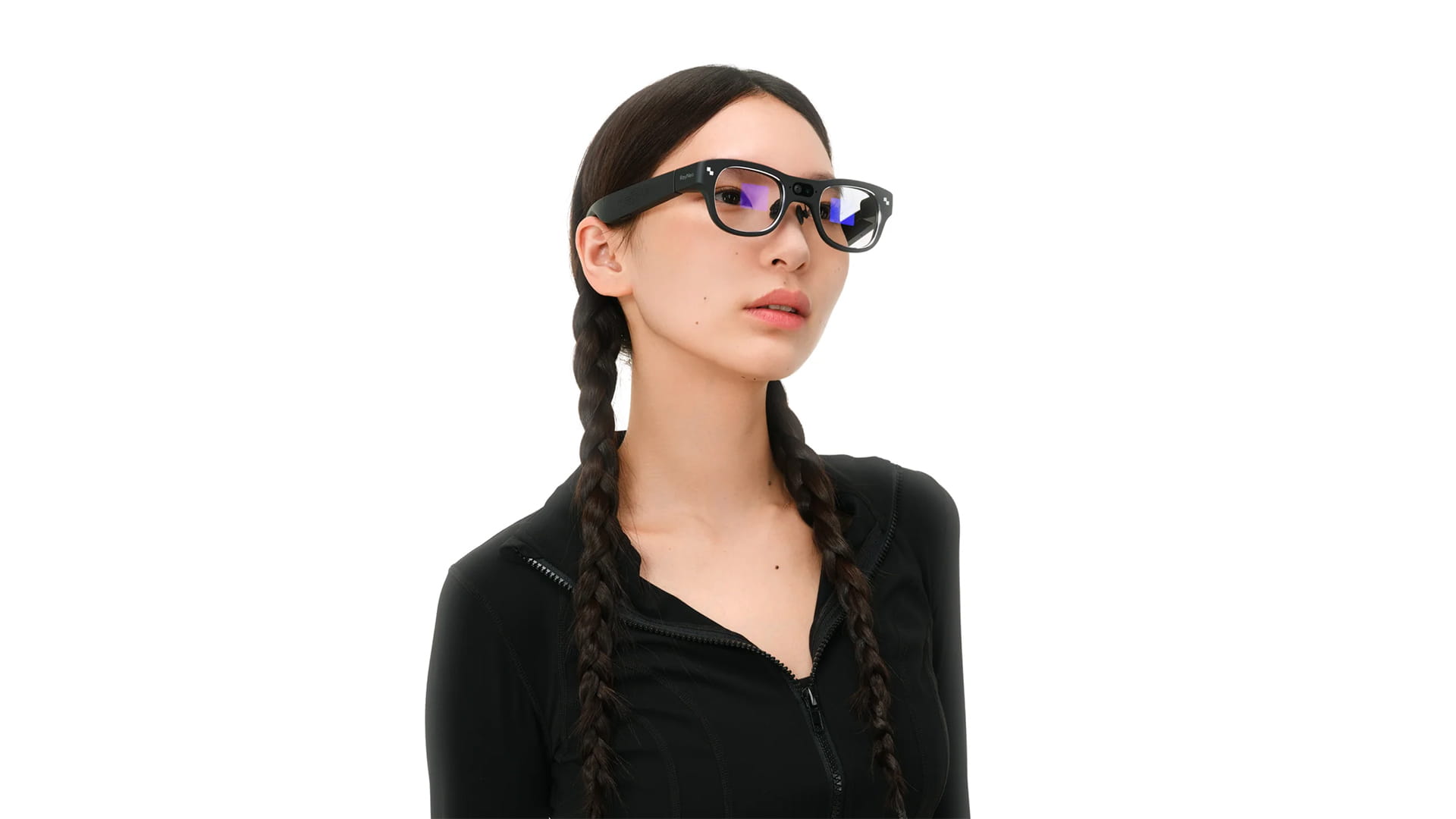
The Western consumer technology press has been running a specific narrative about augmented reality for about three years. The narrative is that the category is stalled. Apple's Vision Pro sold slowly. Meta's investment in the metaverse produced meaningful losses. Google Glass never recovered from its early consumer failure. The conclusion, according to the Western trade press consensus, is that AR is a category that will eventually happen but is not commercially viable yet. That consensus is empirically wrong. The category is happening now. It is just happening in a place the Western tech press is not covering closely enough.
RayNeo, a Chinese AR glasses maker, has ranked first by shipments and sales volume in both the global and Chinese AR glasses markets for the first quarter of 2026. That is according to Counterpoint Research, IDC, and CINNO Research (three of the four most credible consumer electronics tracking firms in the world). The category leadership is not a one-quarter phenomenon. As of the first quarter of 2026, RayNeo has ranked first globally in shipments for four consecutive quarters and led China in sales volume for five consecutive quarters. During the 618 shopping festival, China's mid-year e-commerce sales event, RayNeo ranked first by sales volume across the combined AR and smart glasses category on major Chinese e-commerce platforms. It has held the top spot in the category for five consecutive years.
The product line is the part to study. RayNeo has built a portfolio spanning multiple categories and price points, including AR video glasses, AI-powered camera glasses, and smart glasses. In May, it launched the GT series of cinematic AR glasses with a starting price of RMB 1,899, about USD 278. That product brought an audiovisual experience previously associated with five-figure RMB price points into the roughly RMB 1,000 range. The pricing move is more significant than the product feature list. Apple's Vision Pro launched at USD 3,499. The RayNeo GT series launched at less than one-tenth of that price with a materially different but genuinely comparable use case (cinematic content viewing). The Chinese consumer AR market is not competing on the same terms as the Western market. It is competing on a different axis, and the axis is pricing power that Western manufacturers cannot match at the same margin structure.
The recognition is starting to catch up to the market position. RayNeo's X3 Pro was selected for Time magazine's "The Best Inventions of 2025." That specific piece of recognition matters because Time's list is the mainstream Western consumer publication most likely to shape trade press conversation about Chinese consumer electronics. If Time is recognising RayNeo, the American technology trade press will follow within twelve to eighteen months, at which point Western distributors will begin to seek partnerships with RayNeo and the pricing power the company currently has in the Chinese domestic market will start to erode as global demand escalates.
The Editor's Note
If you are reading this and the pattern fits your business, start the conversation before the conversation starts itself. editor@unpublished.my.
The next product to watch is RayNeo iO, scheduled for third quarter launch this year. The product integrates AI capabilities into a minimalist everyday eyewear form factor. IDC has noted that lightweight display glasses are gradually entering consumers' field of view and have become an important factor in the market's structural changes in the first quarter. The strategic significance of the iO product is the form factor. If RayNeo successfully produces AI glasses that look like normal eyewear (not the current visible-tech look of most AR products), the consumer barrier that has kept AR glasses in the enthusiast segment collapses. Everyday-eyewear form factor is the threshold that turns an emerging category into a mass consumer category. RayNeo is positioning to cross that threshold before any Western competitor.
For the Malaysian and broader Southeast Asian operator, three implications run from this story.
One. The tech distributor position is currently underpriced. RayNeo does not yet have established ASEAN distribution partnerships at the scale the sales trajectory implies. The Malaysian, Singaporean, Thai, and Indonesian consumer electronics distributors who approach RayNeo now, with clear proposals for regional distribution rights, will operate on more favourable terms than the distributors who approach after the Western trade press has caught up to the market position. The window for setting favourable terms is measured in quarters, not years.
Two. The content ecosystem opportunity is the part the Malaysian streaming and content platforms should be reading. Cinematic AR glasses at RMB 1,000 price points create a new distribution surface for video content. Viu, Astro, iflix successors, and the various regional streaming platforms should be evaluating whether AR-optimised content (formatted for the specific viewing profile that AR glasses produce) becomes a category advantage over the next twenty-four months. The content platforms that build AR-optimised catalogues early will have a positioning advantage over platforms that treat AR as an afterthought.
Three. The consumer education question is the marketing lever that will decide category adoption pace in Malaysia. Most Malaysian consumers have never used AR glasses. Most Malaysian consumers do not know the current pricing has come down to accessible ranges. The distributor that invests in consumer education (retail demonstration units, YouTube reviewer partnerships, university and creator demo programmes) will convert curiosity into purchase at meaningfully higher rates than the distributor that relies on pure retail placement. The demonstration economics are favourable because AR glasses reveal themselves quickly to first-time users. Most people who try well-designed AR glasses for ten minutes understand what the category can do. The barrier is arranging the ten minutes.
The headline is a Chinese AR glasses company topping global sales rankings. The story is that the AR category the Western tech press has been calling stalled is quietly becoming a mainstream consumer electronics category on Chinese pricing and Chinese product velocity. The Malaysian distributor and content platform reading the Time article version is reading the wrong version. The right version asks which ASEAN distribution and content partnerships will be signed in the next twelve months, and on what terms, before the Western trade press catches up.